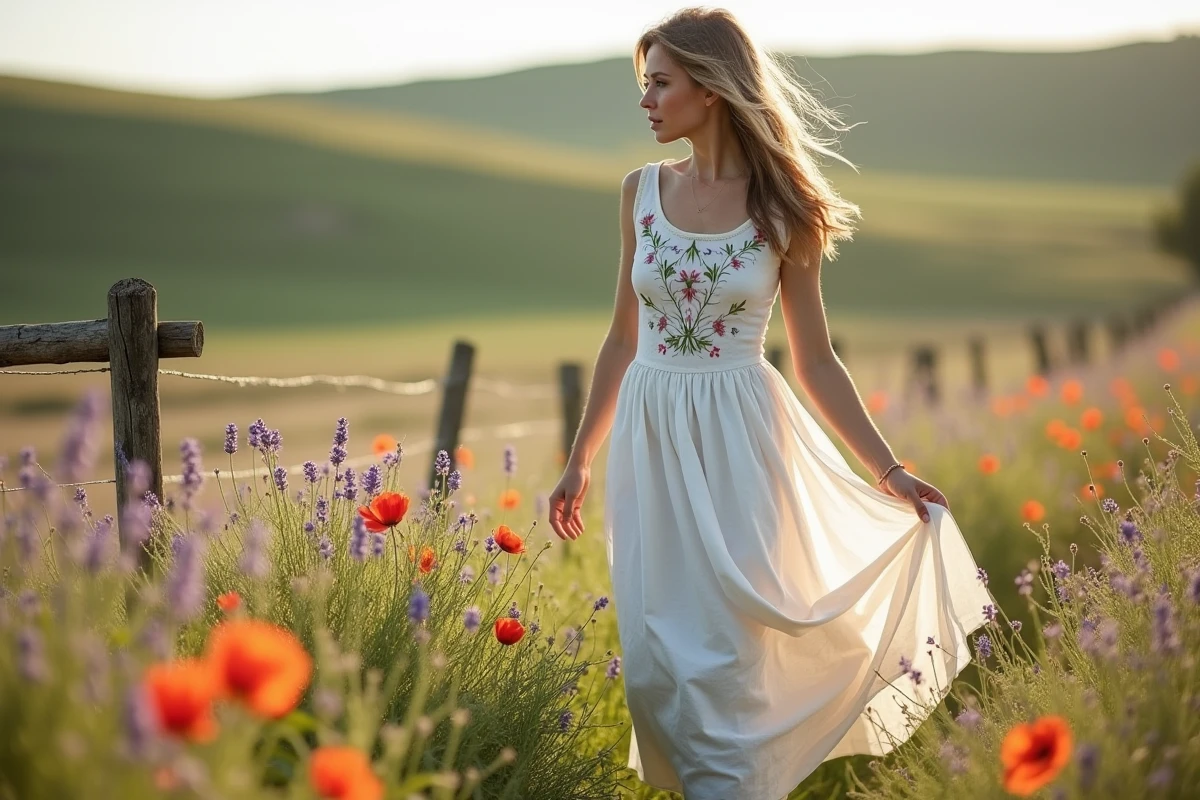
An organic floral collection refers to a set of products (teas, infusions, cosmetics, or bouquets) whose plant materials are cultivated according to the specifications of organic farming, without synthetic pesticides or chemical fertilizers. The term “ethical” adds requirements regarding the working conditions of producers and the traceability of the supply chain. These two dimensions, biological and social, currently structure a rapidly expanding market in France.
Ethical claims in floral cosmetics: what regulations require
Since 2023, the use of the terms “ethical,” “sustainable,” or “environmentally friendly” on cosmetic and floral products is closely monitored. The Professional Advertising Regulatory Authority (ARPP) and the DGCCRF oversee these claims in light of the guidelines stemming from the Climate and Resilience Law of 2021.
A brand that displays “ethical floral collection” on packaging must be able to justify each term with verifiable evidence. An organic label alone is not sufficient to claim an ethical approach: it is also necessary to demonstrate measurable social or environmental commitments beyond the organic specifications.
This regulatory pressure has had a positive effect. Serious players now document their supply chains, from the cultivation field to the finished product. Among the most advanced initiatives, the floral collections from Jardin de Gaïa illustrate this transparency by combining organic farming with traceability of natural ingredients across their entire range.
Organic floral farms in France: a relocalized supply chain
The majority of flowers sold in France historically come from Africa or Latin America, transported by air and then stored in cold chambers. This model has a considerable environmental cost.
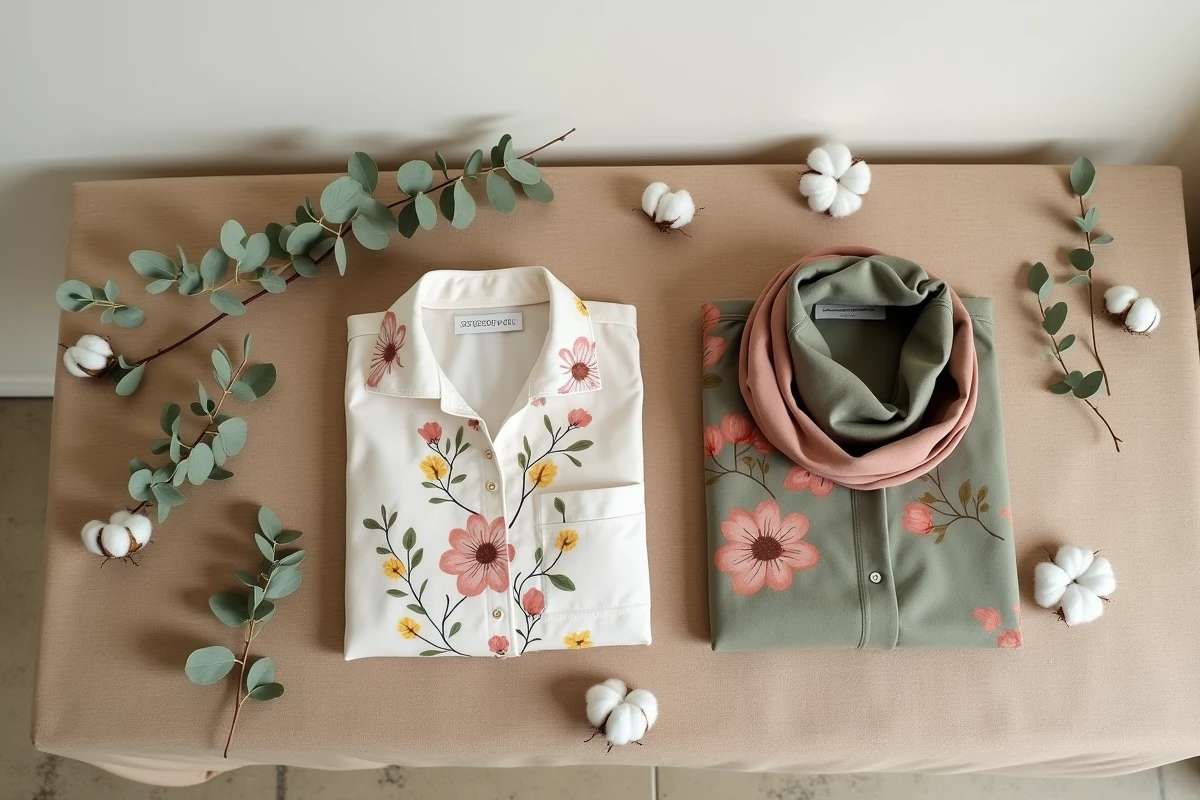
Since the Covid-19 pandemic, the number of certified organic or transitioning micro-floral farms has significantly increased in France. The association Les Fermes Florales Bio brings together these producers who adhere, at a minimum, to the organic farming specifications to protect soils, water, and ecosystems.
Seasonal, local, and organic flowers are gradually replacing imports in several segments: wedding bouquets, corporate events, as well as raw materials for artisanal perfumery and floral infusions. The demand for short supply chains is driving this relocalization.
Criteria for identifying a reliable organic floral farm
- The organic certification must be issued by an accredited organization (Ecocert, Bureau Veritas, Certipaq Bio) and not simply self-proclaimed by the producer
- The farm practices seasonal cultivation, without forcing under heated greenhouses, which ensures a reduced carbon footprint and flowers with a more developed fragrance
- Transparency regarding the origin of seeds and the absence of varieties protected by restrictive patents indicates a complete ethical commitment
Social labels and fair trade in floral supply chains
The organic label certifies a mode of cultivation. It says nothing about the remuneration of pickers, working hours, or access to healthcare on farms. Floral supply chains intended for perfumery and bouquets are increasingly integrating fair trade certifications to fill this gap.
Fair Trade, Biopartenaire, or SPP (Symbol of Peasant Producers) are among the labels that complement the biological dimension with social guarantees. Their presence on a floral product means that a guaranteed minimum price has been negotiated with producers and that a development premium finances local projects.
The dual certification of organic and fair trade changes the game
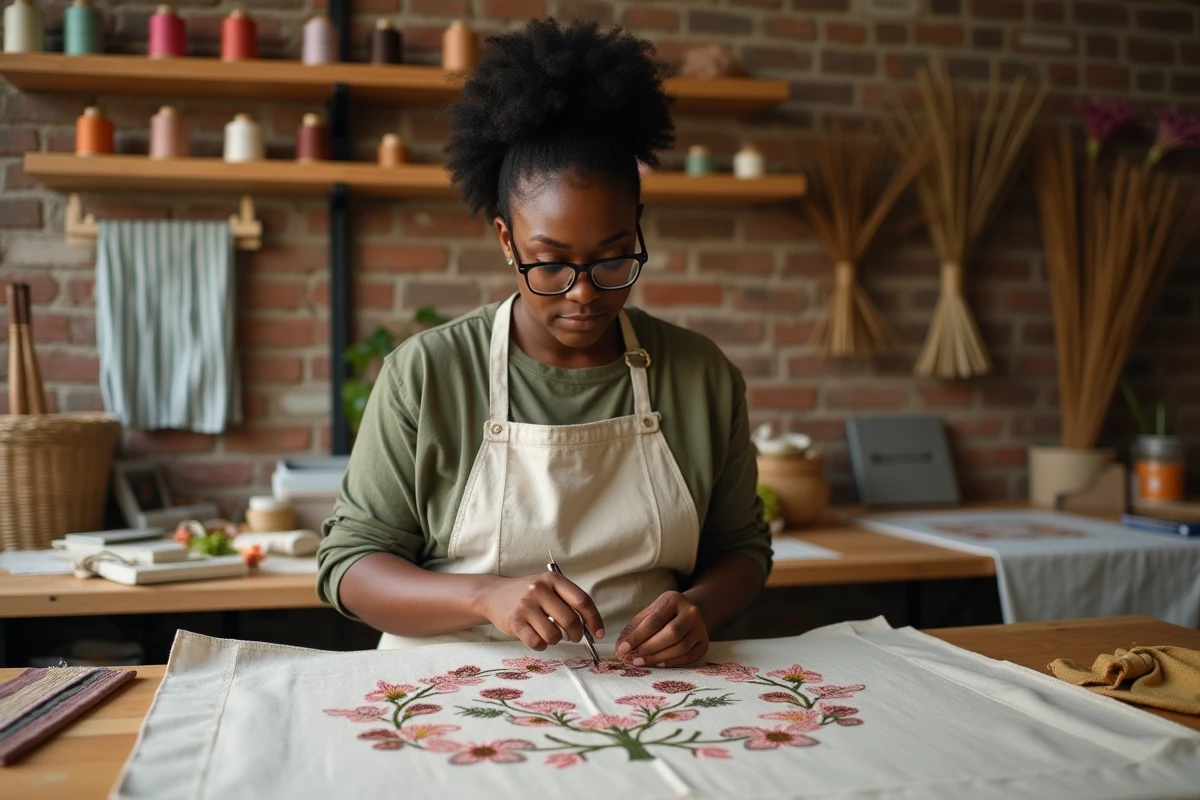
A product bearing both an organic label and a fair trade label offers traceability on two fronts. The quality of natural ingredients and the conditions of production are verified separately, by two distinct organizations, which reduces the risk of greenwashing.
This dual requirement comes at a cost. The floral raw materials from these supply chains are more expensive than their conventional counterparts. The additional cost is reflected in the final price of skincare, perfumes, or tea collections, but it represents real value rather than a marketing argument.
Composition of organic floral products: reading the ingredients
The mention “flower-based” on packaging can cover very different realities. A “rose organic” face care product sometimes contains less than a few percent of rose extract, the rest being made up of water, emulsifiers, and preservatives.
The INCI list remains the only reliable tool for evaluating a floral cosmetic product. The ingredients are listed in descending order of concentration. A floral extract placed at the end of the list represents a tiny amount in the formula.
- Hydrosols (floral waters) are obtained through steam distillation and retain some of the aromatic molecules of the plant: they often form the base of organic floral skincare for the face and body
- Essential oils concentrate the active principles but require a large quantity of raw material (several kilos of petals for a few milliliters), which explains their high price in an organic range
- Absolutes, extracted by solvent, are used in perfumery for more faithful floral notes, but their manufacturing process raises questions about the residual presence of solvents in the finished product
Favoring short formulations with identifiable natural ingredients remains the best way to ensure that an organic floral collection lives up to its promises. Products with a list exceeding twenty components deserve careful examination.
The increasing regulatory controls and the structuring of organic and fair floral supply chains in France are gradually transforming the market. Floral collections that combine organic certification, transparency about composition, and social commitment represent a still limited segment, but one whose standards elevate the entire supply chain.