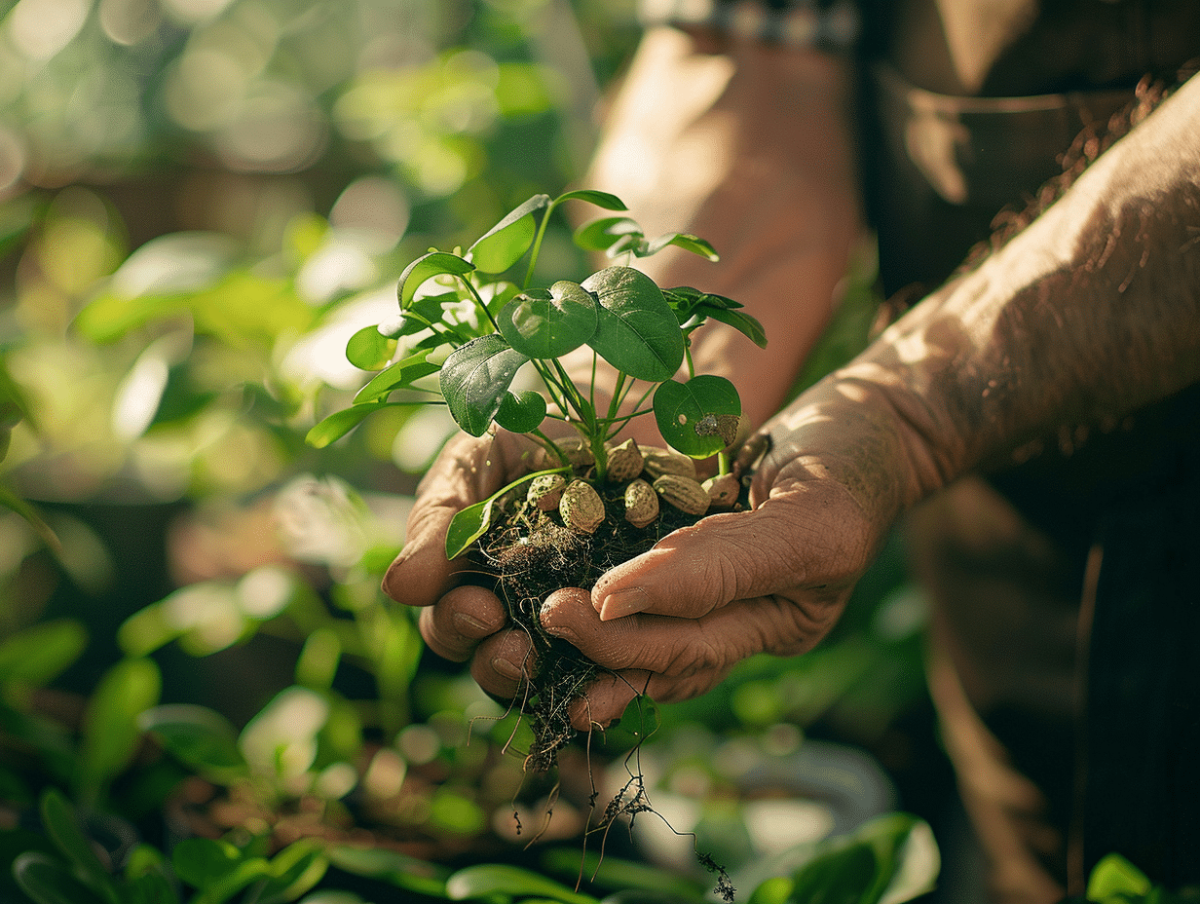
Peanut, commonly known as the groundnut, is an exotic plant that generates interest for its nutritional value and multiple uses. Native to South America, it has spread across the globe, particularly in Africa and Asia, where it has become a staple in both diet and economy. This legume, with its oil-rich and protein-packed seeds, requires specific climatic conditions, including well-drained soil and a warm climate. Its cultivation demands particular attention, especially regarding irrigation and disease management. The life cycle of the peanut, with its unique flowering and underground maturation, presents unique challenges for farmers.
From germination to harvest: the life cycle of the peanut
The cultivation of peanuts begins with a fundamental stage: germination. This occurs after sowing, when the temperature and soil moisture conditions are optimal. Peanut seeds, buried a few centimeters underground, awaken to give rise to a robust and sprawling plant. This first step is crucial for the continuation of the life cycle of the legume.
As it grows, the peanut defies expectations: no peanut tree, but a vigorous herb that stands out for its fruiting method. Indeed, after flowering, the flowers bend towards the ground to allow the pods to develop underground. This fascinating botanical peculiarity requires loose and well-aerated soil.
The harvest typically occurs four to five months after sowing, when the leaves of the peanut turn yellow and wilt. At this point, the pods are carefully extracted from the soil. It is a moment of truth for farmers, who then assess the quality and quantity of their production. The harvest must be carried out with care to avoid damaging the precious pods.
Beyond traditional fields, pot cultivation proves to be an interesting method for growing peanuts outside warm regions. It allows for easier management of growth parameters and a harvest within reach. Crop rotation is beneficial for peanuts, which thrive in regenerated soil to maximize their chances of development. This agricultural practice also improves the overall health of the plots by limiting soil resource depletion and reducing disease risks.
The peanut in our daily lives: benefits and uses
The nutritional benefits of peanuts are numerous. A source of plant-based protein, rich in quality lipids and fiber, this tropical legume easily integrates into a balanced diet. Oilseeds, of which peanuts are a part, are recognized for their contribution of unsaturated fatty acids, beneficial for the cardiovascular system. They provide essential vitamins and minerals, such as magnesium and vitamin E.
Peanut oil, extracted from the seeds, is a high-quality derivative product, prized in cooking for its resistance to high temperatures and neutral taste. It allows for healthy cooking of foods and is a preferred ingredient for frying. Beyond its culinary use, peanut oil also finds its place in the cosmetic industry due to its moisturizing properties.
Peanuts find their way into a variety of derivative products. From peanut butter to energy bars, sauces, and protein pastes, the diversity of culinary uses is vast. The peanut’s ability to pair with various ingredients makes it a versatile component in global culinary arts.
Consider the genetic diversity of peanuts as a major asset for sustainable agriculture. The genetic resources that this plant offers are essential for developing disease-resistant varieties and those adapted to climate change. The integration of peanuts into agricultural systems thus contributes to food security while promoting a diverse and healthy diet within our societies.