Faced with the rise of environmental issues and the need to ensure the safety of occupants, construction strategies are evolving. Designing sustainable and secure buildings requires special attention from the planning stage. This involves integrating environmentally friendly materials, architectural design that takes climate hazards into account, and the use of innovative technologies for energy management. Similarly, safety standards must be strictly adhered to in order to protect against fires, earthquakes, and other risks. This complex challenge forces professionals to rethink traditional construction methods to meet current demands and anticipate future ones.
The Foundations of Sustainable Construction: Materials and Methods
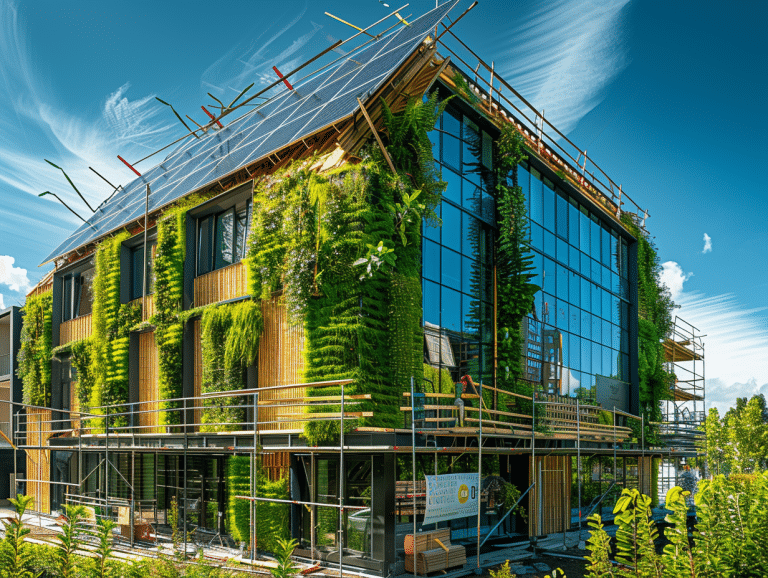
Sustainable construction has now become an essential pillar of the building sector. The choice of construction materials is shifting towards solutions such as wood and hemp, recognized for their low environmental impact and their contribution to a virtuous life cycle. These materials, both durable and recyclable, contribute to increased energy efficiency of buildings. The use of these renewable resources, often local, significantly reduces the ecological footprint of constructions and meets the requirements of an environmentally friendly habitat.
Sustainable construction goes hand in hand with innovative methods, incorporating, for example, rejingot, an essential device for air and water tightness of exterior joinery. This attention to detail is fundamental to ensuring a higher quality of life and minimizing energy losses. Renewable energies, such as geothermal or solar, are now commonly used to heat homes, thus reducing dependence on fossil fuels and CO2 emissions. These practices, when combined, lay the groundwork for truly ecological construction.
It is important to note that the building sector is responsible for 25% of greenhouse gas emissions in France. The transition to sustainable construction is therefore a direct response to this issue. It not only ensures a significant reduction in these emissions but also promotes a healthy and energy-efficient habitat. The integration of these principles from the architectural design stage is crucial for the future of building and for the preservation of our environment.
Safety and Regulations: Ensuring the Longevity of Sustainable Constructions
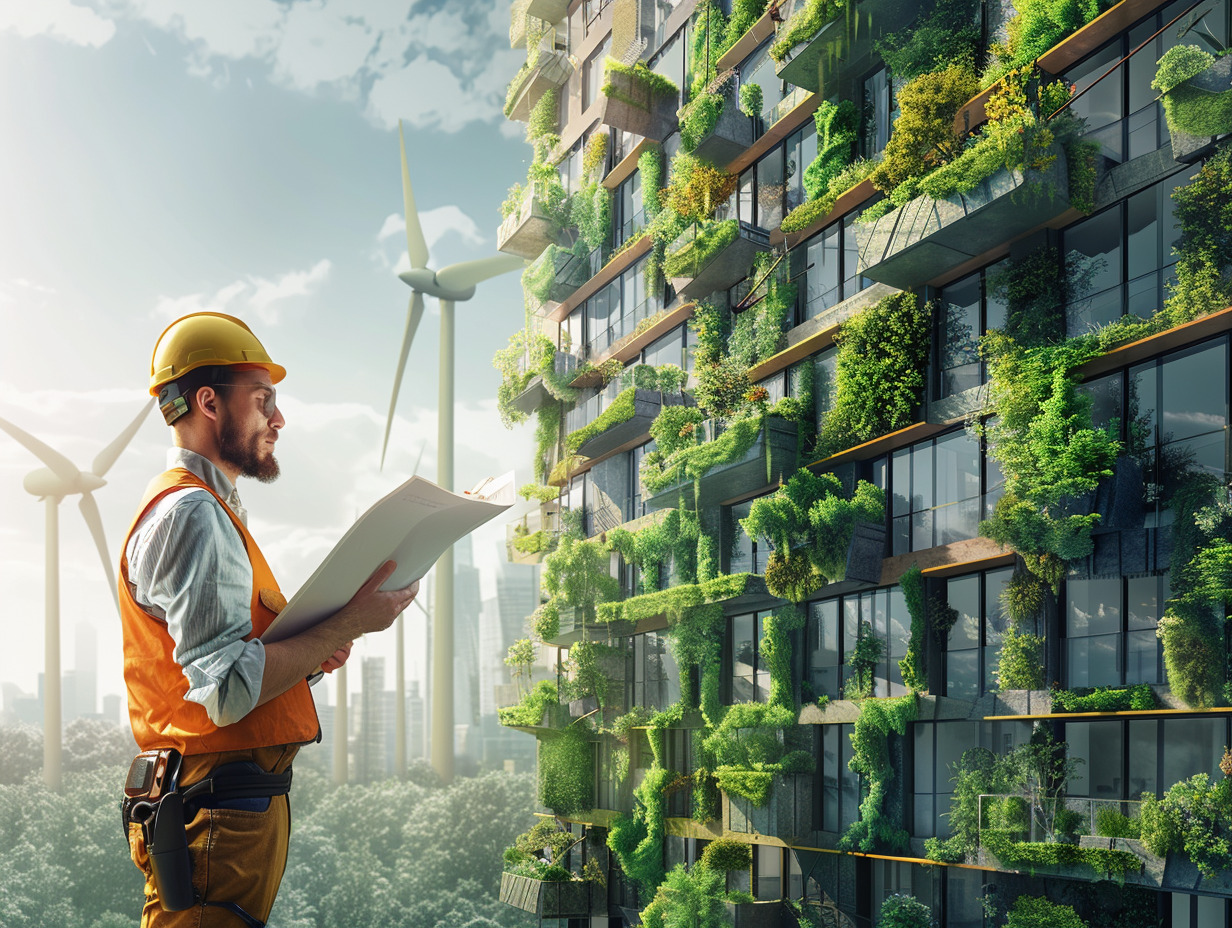
The 2020 environmental regulation, known by the acronym RE2020, stands as a decisive pivot for stakeholders in the building sector. This demanding standard aims to establish positive energy buildings and drastically reduce their carbon footprint. It is part of a comprehensive approach to eco-construction, integrating optimal thermal insulation and the carbon balance of materials, while promoting eco-responsible renovation. Professionals must adapt to these standards to address not only ecological challenges but also to ensure the safety and comfort of users in the long term.
In this logic of sustainability and responsibility, marking and declaration standards take a central role. They ensure transparency and traceability of the materials used, certifying their performance and low environmental impact. RE2020, as an ambitious regulation, aims to be a tool in the fight against climate change, encouraging builders to prioritize low greenhouse gas emission solutions throughout the construction process.
Construction stakeholders must then rise to the challenge of eco-responsible renovation, not only reducing the environmental footprint of new buildings but also improving the energy performance of the existing stock. This approach requires in-depth reflection from the project design stage, integrating the principles of eco-construction for buildings that are sustainable, responsible, and above all, enduring.