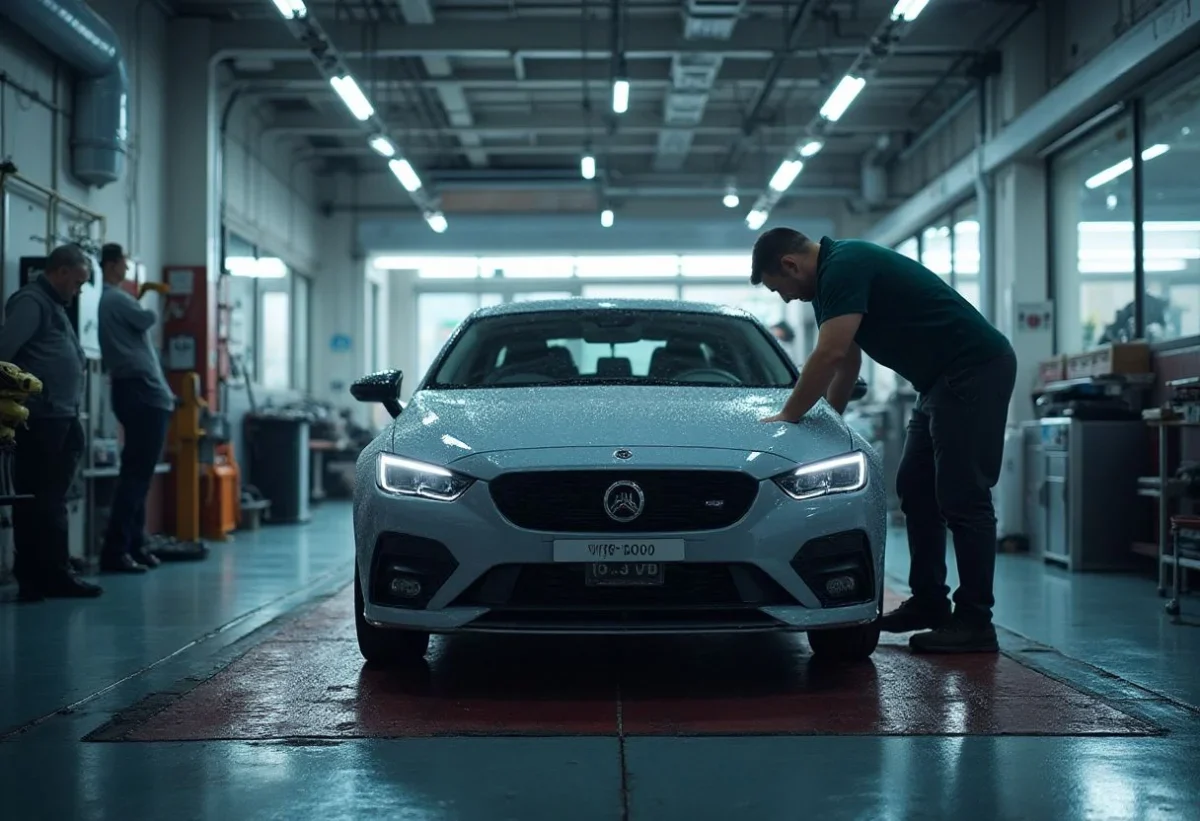
The technical inspection of vehicles is a crucial step to ensure road safety and compliance of cars with current standards. Whether you own a private car, a motorhome, or another M1 category vehicle, it is essential to properly prepare your vehicle for this mandatory visit.
What is the technical inspection?
The technical inspection is a periodic check mandated by French regulations for certain vehicles. Its purpose is to ensure that every vehicle on the road meets safety and environmental criteria. Introduced in 1992, it applies to all private cars, motorhomes up to 3.5 tons, and various other vehicles, whether they are thermal, hybrid, or electric.
History and evolution of the technical inspection
Since its introduction, the technical inspection has evolved to include an increasing number of checks. Initially focused on safety aspects, it now integrates detailed checks of pollutant emissions to meet growing environmental requirements. The registration of new vehicles is followed by a first inspection within six months before their fourth anniversary.
The steps of the technical inspection
Making an appointment at the inspection center
To undergo the technical inspection, it is essential to make an appointment at an accredited inspection center. With digitalization, this process can often be done online, making it easier to manage your schedule. The cost of the technical inspection may vary depending on the center and the type of energy of your vehicle.
Preliminary checks to perform
Before the technical visit, it is recommended to carry out certain checks to avoid a re-inspection. This includes vehicle identification, the condition of lights, lighting, braking equipment, tires, and fluid levels, such as brake fluid and engine oil.
Documents required for the visit
Make sure you have all the necessary documents: the registration certificate (carte grise) and, if necessary, papers related to a vehicle sale or a change of ownership. These documents will facilitate the smooth running of the visit.
The essential inspection points
The vehicle’s safety systems
The technical inspection thoroughly inspects several safety systems of the vehicle, including brakes, steering, visibility, and the condition of tires. These elements are crucial to ensure safe driving and compliance with road safety standards. For example, if your windshield has a crack, it may be wise to call a professional such as soluvitrages to repair it before undergoing the technical inspection.
Pollutant emissions and their verification
Environmental standards require rigorous checks of pollutant emissions. This includes checking exhaust systems and managing noise pollution. Inspection centers ensure that your vehicle complies with the permitted pollution thresholds.
Check of lights and lighting
The condition of lights and lighting is also checked. It is crucial that all lights function correctly for the safety of road users, especially to be seen and to see properly, particularly in low-light conditions.
Verification of fluids (oil, brake, etc.)
The level and quality of fluids play a vital role in your vehicle’s performance. Regularly check the oil, brake fluid, and coolant to prevent any mechanical issues.
Assessing the overall condition of the vehicle before the inspection
Identification of common failures
The main failures identified during technical inspections include wear of brakes, tires, suspensions, and steering components. It is advisable to carry out regular maintenance to identify and correct these issues before going to the inspection center.
Tips for successfully passing the technical inspection
Preventive maintenance is key to successfully passing the technical inspection. Ensure that your vehicle is in good working order by performing frequent checks and following the manufacturer’s recommendations.
Consequences of a failed technical inspection
Options after a failed inspection
In the event of a major or critical failure during the technical inspection, a re-inspection is mandatory within two months after the first visit. This step allows for verification that the necessary repairs have been made.
Importance for the safety of road users
A vehicle in poor condition poses a danger to the driver, passengers, and other road users. The technical inspection helps minimize these risks by ensuring that every vehicle meets safety standards.