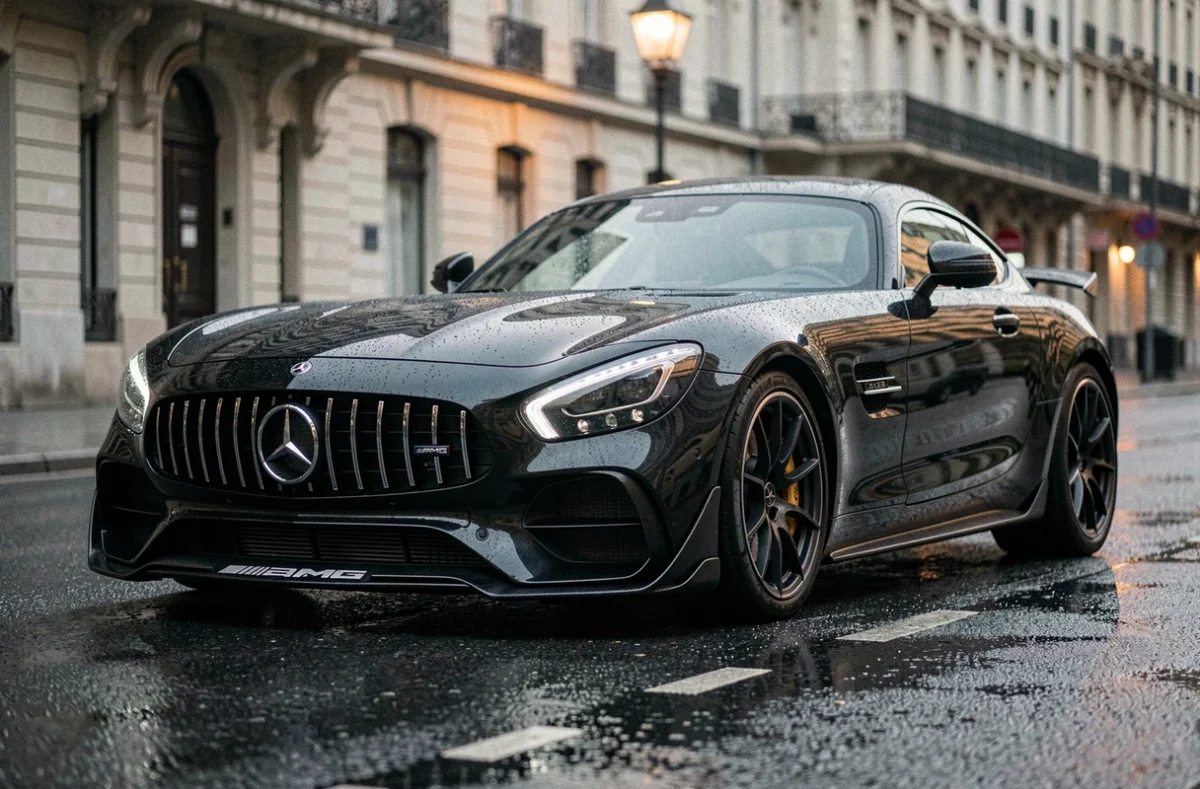
Mercedes-AMG is a division in its own right, designing its own engines, tuning its suspensions and redefining the handling of every model it touches. Today, the range includes sedans, SUVs, coupes and even electrified models, so the driving experience varies dramatically depending on the powertrain you choose.
Formula 1 and the open road: the technical link between racing and production at AMG
Most manufacturers claim to have a sporting DNA. At Mercedes-AMG, the connection to motorsport goes beyond a simple marketing pitch.
Technology transfer from Formula 1 involves specific powertrain components. Engineers from the Mercedes-AMG Petronas team share data on powertrain thermal management and high-performance hybrid systems. These advances find their way into production models, particularly the range’s plug-in hybrids.
At AMG, performance is no longer measured solely in horsepower. Energy efficiency is becoming a performance criterion on a par with torque or lap times. From an engineer’s perspective, an engine that delivers its power while wasting less energy is a more capable engine. This approach, inherited from F1, where every gram of fuel counts, now runs throughout the entire range.
For more information, this detailed guide to the Mercedes-AMG range is a good starting point for learning about the brand’s history and fundamentals.
Mercedes-AMG in everyday life: comfort, fuel consumption and trade-offs by powertrain
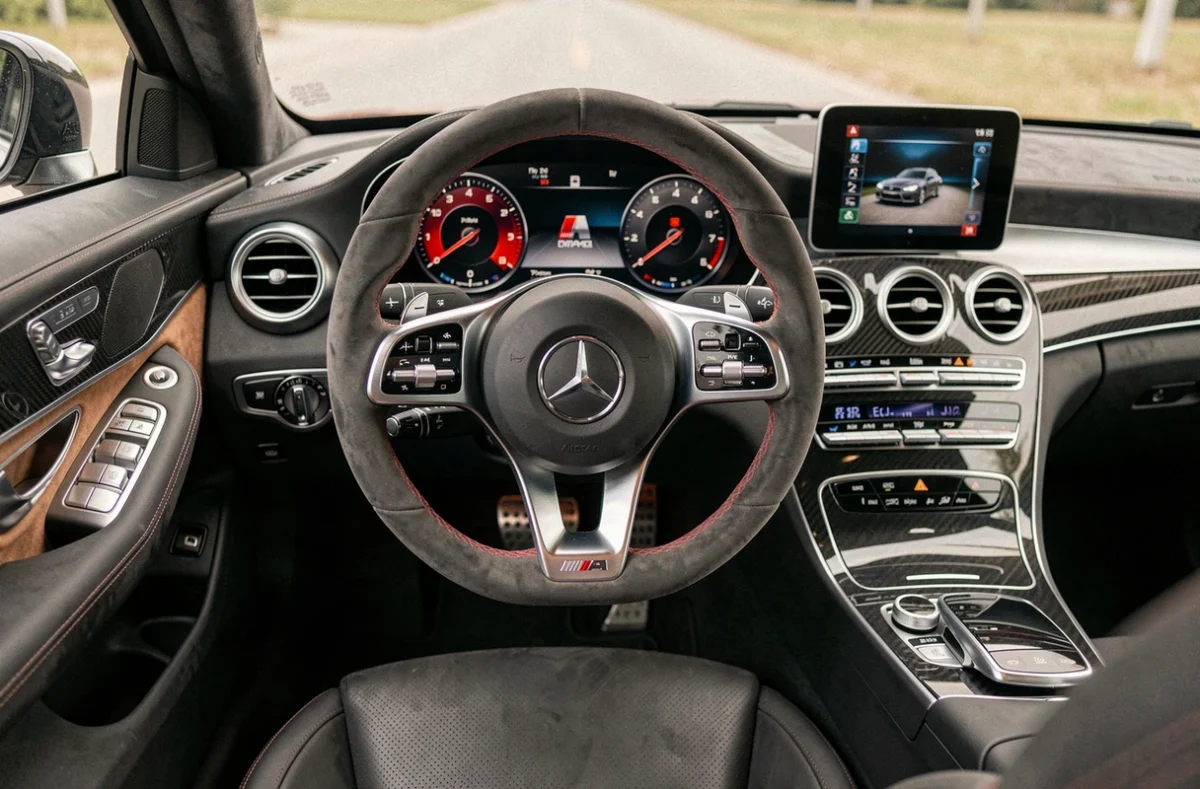
Have you ever driven a sports car on your daily commute? The experience varies considerably from one AMG model to another, and the powertrain is the main reason why.
Combustion models: character comes at the pump
Mercedes-AMG models with conventional combustion engines (twin-turbo V8s or turbocharged four-cylinders, depending on the range) deliver an immediate mechanical response and a distinctive sound. The downside: high fuel consumption in city driving. “Comfort” driving modes tone down the responsiveness, but the engine is still built for performance.
Suspension comfort depends on the model. Versions equipped with adaptive dampers can switch from a firm setting to a softer one at the touch of a button. Entry-level AMG models often have a stiffer suspension with no adjustment options, which is noticeable on rough roads.
Plug-in hybrid models: combined power and smoothness
Mercedes-AMG plug-in hybrid models combine a combustion engine with an electric motor. In all-electric mode, the driver can travel short distances in silence, without using fuel.
Switching from electric mode to Sport mode completely transforms the car’s character. It’s like having two cars in one: quiet and economical for everyday journeys, explosive when the driver wants it to be. The trade-off is extra weight compared with conventional combustion models, due to the onboard batteries.
Going electric: what the Mercedes-Benz Vision AMG changes
Mercedes-Benz is expanding its electric model portfolio, and the Mercedes-Benz Vision AMG illustrates the direction the performance division is taking. AMG’s approach to electrification differs from that of the rest of the Mercedes-Benz range: its requirements for driving dynamics, braking and cornering are specific to the brand.
An electric AMG model must deliver the same driving pleasure as a combustion model, with instant torque taking the place of rising engine revs. Charging adds another consideration, however: planning stops on long journeys becomes a new routine for sports car buyers.
Mercedes-AMG GT, Brabus and more: understanding the different performance levels
The AMG range itself has several tiers. Knowing the difference helps avoid disappointment when buying.
- “AMG Line” models are not AMGs. They feature a styling package (bumpers, wheels, upholstery) available on standard Mercedes-Benz models, with no significant mechanical modifications.
- AMG models (e.g. Mercedes-AMG C 43) feature a reworked engine, a tailored transmission and bespoke chassis tuning. They make up the true entry level of the AMG range.
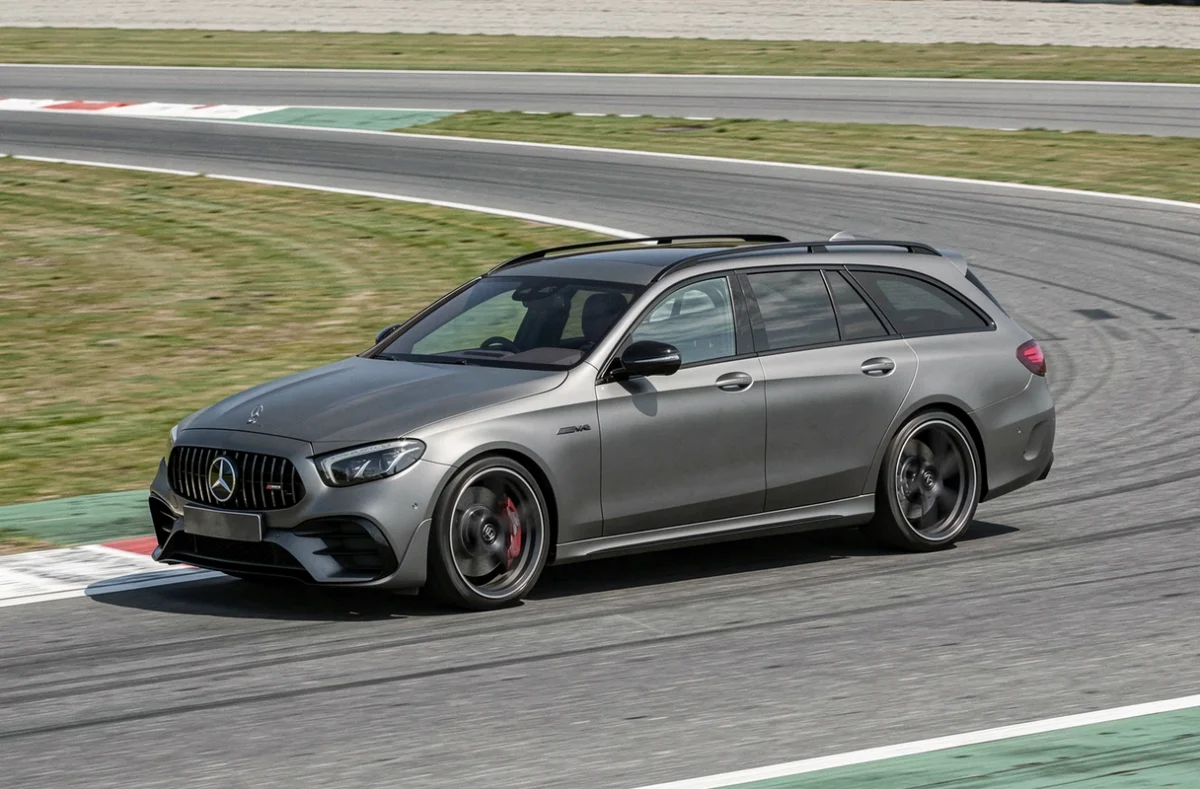
- High-performance AMG models (e.g. Mercedes-AMG GT) feature engines hand-assembled according to the “One Man, One Engine” principle. The Mercedes-AMG GT represents the pinnacle of this approach, with a dedicated chassis and body.
And where does Brabus fit in? Brabus is an independent tuning company, not a Mercedes-Benz division. It modifies vehicles after production to increase power, change the interior trim or adjust the suspension. Buying a Brabus means purchasing a Mercedes-Benz (often an AMG) modified by a third party, with its own warranty and pricing.
Choosing a Mercedes-AMG: the criteria that really matter
Before signing an order form, there are three things worth considering carefully.
First, think about how you’ll actually use the car. A Mercedes-AMG GT serves a different purpose from a GLC AMG. The former is a sports coupe built for driving pleasure. The latter is a family SUV with a sporty edge. Your choice of model should suit your actual journeys, not an image.
The second criterion is maintenance costs. Wear-and-tear parts (brakes, tires, discs) cost more on an AMG than on a standard Mercedes-Benz. Low-profile performance tires wear out faster and need to be replaced with specific models.
The third consideration is the powertrain. An AMG plug-in hybrid may offer tax benefits in some countries and reduce fuel consumption in the city, but it weighs more and costs more to buy than an equivalent combustion model.
Mercedes-AMG has expanded its range far beyond the roaring V8 that made its name. Choosing a combustion, hybrid or electric powertrain shapes the experience just as much as the model itself. Each powertrain comes with its own trade-offs in weight, maintenance costs and driving pleasure.