
Finding a place to sleep each night for several months of travel is not the same exercise as booking a hotel for a week of vacation. Choosing accommodation for a world tour involves a long-term budget commitment, requires navigating varying local regulations, and exposes travelers to increasingly sophisticated scam risks in recent years. Understanding these constraints before comparing prices helps avoid costly mistakes.
Short-term rental regulations: what changes for travelers
The legal framework for short-term rentals has tightened in several regions around the world, with Europe leading the way. The European Regulation 2024/1028, applicable since May 20, 2026, requires booking platforms to verify the registration numbers of properties and to transmit activity data to national authorities.
In practice, this means that a listing without a visible registration number in a major European city poses a real risk: last-minute cancellations, removal of the property from the platform, or even lack of recourse in case of disputes. Spain has required this number since July 1, 2025. Athens has suspended new permits in several sectors until the end of 2026, and Thessaloniki has implemented similar restrictions.
The reflex to adopt before any price or amenities comparison is to check the local regulations of each stopover city. An apartment cheaper than a hotel loses all its appeal if it operates illegally and the stay is cut short. Several long-term travelers now prefer to document accommodations on Babar Autour du Monde to cross-reference on-the-ground feedback with the regulatory constraints of each destination.

Online accommodation scams: concrete warning signs
Fraud techniques have evolved. Fraudulent listings now include AI-generated images and fabricated reviews, making them harder to spot than a simple copy-paste of stolen photos.
Several documented signals can help filter suspicious listings:
- The owner tries to move the conversation or payment to an external messaging service or third-party site, outside the booking platform.
- The photos show visual inconsistencies (aberrant reflections, overly smooth textures, identical furniture repeated in several rooms), typical of AI-generated images.
- The price is abnormally low compared to comparable listings in the same neighborhood, without logical explanation (ground floor, lack of kitchen, distance from the center).
- The listing follows the “bait-and-switch” scheme: the property offered upon arrival differs from the one presented online, or the property simply does not exist.
On a world tour, fatigue and the pressure to find shelter that same evening make these traps more effective. Booking at least the first night in each new city through a platform that offers recourse in case of problems remains the most reliable precaution.
Accommodation budget on a world tour: balancing types of lodging
Accommodation represents a significant portion of the total budget for long-term travel. The decision is not just about choosing between a hotel and a hostel. It involves modulating the type of accommodation based on the destination and the length of stay.
In countries where the cost of living is low (Southeast Asia, certain regions of Latin America), small local hotels often offer better value than a rental on a platform, without cleaning fees or rigid cancellation policies. In contrast, in European or North American cities, a shared apartment or a home exchange can halve or even third the bill for a multi-day stay.
Several criteria structure this decision:
- The duration of stay: beyond four or five nights, negotiating a weekly rate in a guest house or looking for a sublet becomes cost-effective.
- The need for a kitchen: preparing meals reduces food expenses, which sometimes offsets a slightly more expensive but equipped accommodation.
- The safety of the neighborhood: a cheap accommodation in an isolated area generates transportation costs and stress that negate the savings made.
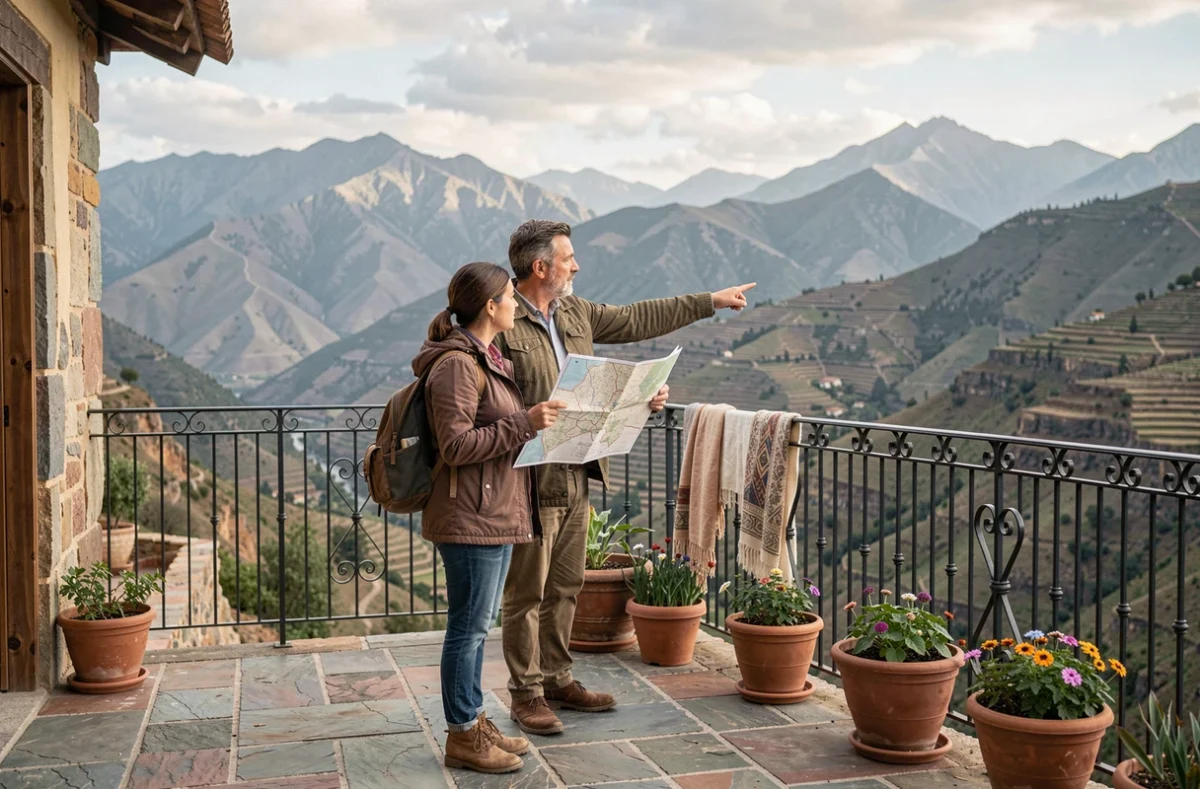
Traditional hotels vs rental platforms
On this point, feedback from travelers varies. Some travelers find that the additional fees from rental platforms (cleaning, service, deposit) significantly reduce the price gap with hotels, especially for short stays. Others point out that the flexibility of an apartment (free schedules, workspace, washing machine) justifies the extra cost for a multi-month trip.
Recent trends show that some travelers are returning to traditional hotels for short stays, reserving rentals for longer stays where domestic autonomy makes a real difference.
Accessibility and sustainability: two rising criteria in accommodation choice
The accessible tourism market is experiencing notable growth. For travelers with disabilities, checking the actual accessibility of a property before booking remains an obstacle course: online descriptions often lack details about door widths, bed heights, or the presence of a step-free shower.
On the sustainability front, demand is increasing. Available data indicates that a large majority of travelers declare a desire to travel more responsibly. Home exchanges, house-sitting, or choosing establishments committed to verifiable environmental practices (not just a self-proclaimed label) are concrete avenues, as long as commitments are verified beyond marketing claims.
The choice of accommodation on a world tour relies less on a one-size-fits-all formula and more on the ability to adapt city by city. Checking the legality of a listing, spotting fraud signals, and adjusting the type of lodging at each stop are three reflexes that protect both the budget and the peace of mind of the journey.